



Disposable Vape Tastes Metallic or Chemical? Device Checks & Stop Signs
ADULT CONSUMER TROUBLESHOOTING GUIDE · REVIEWED SEPTEMBER 17, 2026
Disposable Vape Tastes Metallic or Chemical?
How to separate a device fault, possible liquid exposure and a symptom that needs professional advice.
Stop using the device when a new metallic, chemical, solvent-like or sharply abnormal taste appears. Do not keep taking “test puffs,” recharge it to see whether the taste clears, open the device, or add liquid. Check for heat, hissing, swelling, damage, leaking or liquid in the mouth. If liquid touched skin or eyes, follow the exposure steps below. If the taste remains in your mouth after you stop—or you develop dizziness, nausea, coughing, breathing difficulty, chest pain or other symptoms—seek professional medical or poison-control advice rather than continuing device troubleshooting.
Scope: This guide is for adults of legal vaping age and covers immediate consumer decisions, not medical diagnosis or device repair. Flavor perception varies, but a sudden abnormal taste should not be dismissed when it is accompanied by leakage, overheating, damage or symptoms.
First identify which situation you have
| What you notice | Likely decision | Next step |
|---|---|---|
| Taste changes only while using one device | Possible dry wick, overheated coil, contamination, damage or end-of-life device | Stop use; inspect without activating; contact seller or manufacturer |
| Gurgling, wet mouthpiece or visible liquid | Possible e-liquid leakage or condensation | Avoid contact; do not swallow; follow exposure guidance if contact occurred |
| Taste remains after stopping, or occurs without the device | Not safely explained by remote device troubleshooting | Seek medical or poison-control advice, especially with symptoms |
| Heat, swelling, smoke, hissing or auto-firing | Battery or electrical warning sign | Stop use and charging; move away; call emergency services for immediate danger |
A conservative five-step check
1. Stop, do not retest
Repeated puffs add heat and exposure without identifying the cause. Do not use another power mode, block airflow, inhale harder or recharge the device as an experiment.
2. Look without activating
Check the mouthpiece, seams, screen and charging port for liquid, debris, cracks, deformation or corrosion. Note whether the device is unusually warm, making noise or producing odor. Do not insert tools or tissue into openings.
3. Separate leakage from ordinary condensation
A small amount of mouthpiece condensation can occur, but pooled liquid, repeated wetness, gurgling or liquid reaching the mouth calls for stopping use. A user cannot confirm liquid composition or internal seal condition by taste.
4. Record model and traceability information
Photograph the package, exact model, batch or authenticity code, nicotine statement, ingredient label and the fault. Record when the taste began, whether the device was dropped, overheated, stored in a car or recently charged. This gives the seller or manufacturer useful evidence.
5. Escalate the right problem
For a device-only fault, contact the seller or manufacturer and retain the packaging. For exposure or health symptoms, use Poison Control or a clinician. For heat, smoke, swelling or fire risk, prioritize distance and emergency response rather than customer service.
If e-liquid contacted you
- Skin: FDA advises washing thoroughly with soap and water.
- Eyes: rinse thoroughly with water and seek advice if irritation persists.
- Swallowed or suspected poisoning: in the United States, call Poison Control at 1-800-222-1222 or use poison.org; elsewhere contact the local poison center or emergency service.
- Breathing difficulty, chest pain, severe symptoms or immediate danger: seek urgent medical help.
Keep e-liquid and devices away from children and pets. Do not induce vomiting unless a medical professional or poison center tells you to.
What may cause the taste—and what cannot be proved at home
A dry or overheated wick can create an acrid or burnt sensation; leaking liquid can create an unusually concentrated or chemical impression; contamination, storage heat, damage, an aging coil or a manufacturing fault may also change taste. But taste alone cannot identify the chemical involved, verify product authenticity, or prove that a battery and coil are safe. That is why this guide uses observable stop signs instead of diagnosing the device from flavor descriptions.
Documentation and comparison checklist
- Exact manufacturer and model name match the package and device.
- Batch, QR or authenticity code is readable and resolves to the expected official source.
- Nicotine, ingredients, warnings and importer/manufacturer contact are present for the target market.
- Charging instructions match the device; there is no heat, damaged port or wetness.
- Return, defect-reporting and disposal routes are available.
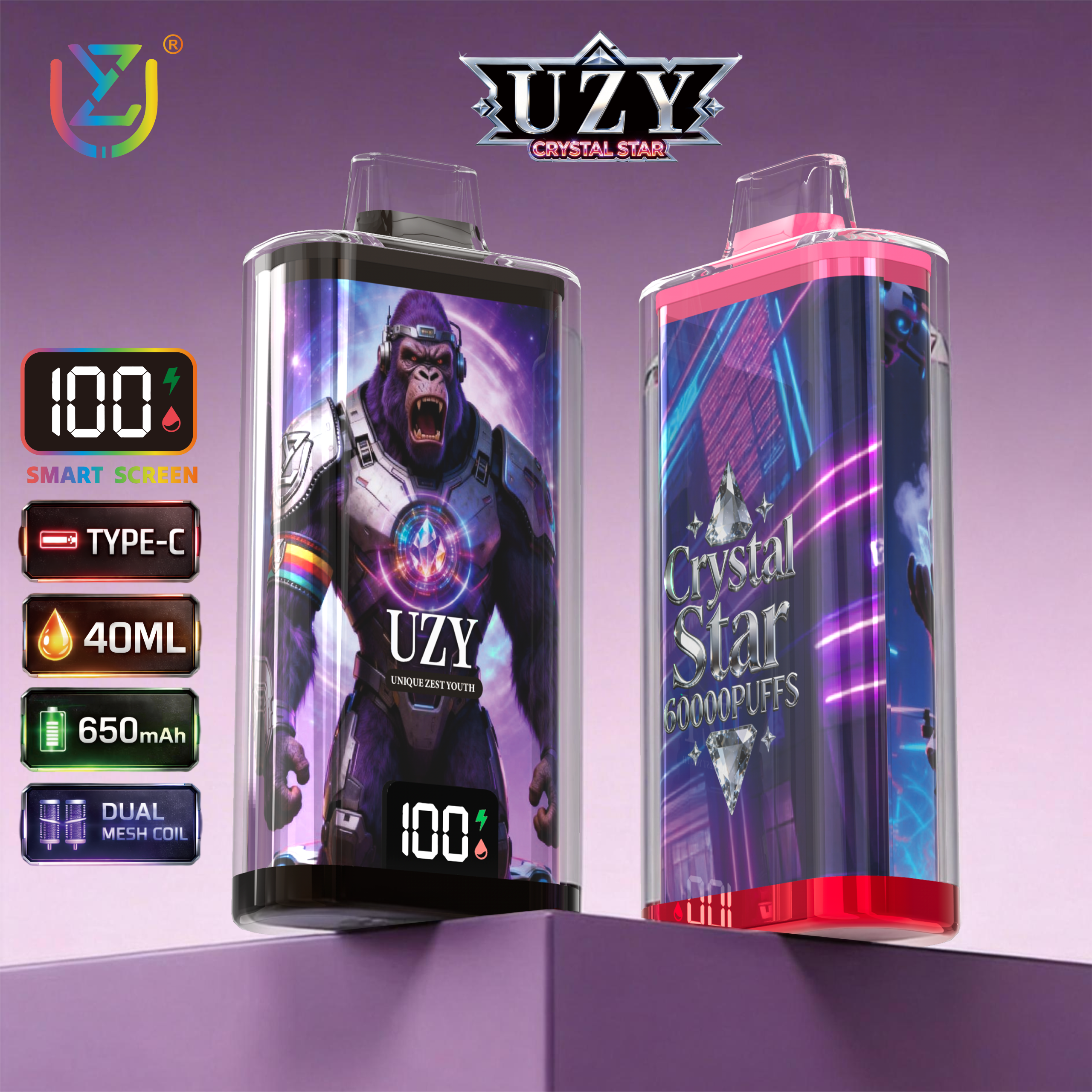
Adults comparing documented configurations can review ATVS DE030 4-in-1, ATVS DE022 25K, UZY Crystal Star 60K and Foger Switch Pro 30K. These are specification examples, not a claim that any product is FDA-authorized, free of faults, or available or lawful in every jurisdiction.
VapeVeo editorial method and evidence boundary
Editorial owner: VapeVeo Product Education & Support Team. Our role is to turn product-support questions into clear consumer decision paths. Learn more on About Us or ask a model-specific question through Contact Us.
Method: We mapped FDA and poison-control exposure guidance to observable device conditions, then separated device support from symptoms requiring professional advice.
Evidence boundary: VapeVeo did not chemically analyze vapor or run laboratory exposure tests for this article. We cannot diagnose a medical condition or identify a chemical from taste. The “VapeVeo Research Lab” label is not used because this page does not rely on documented first-party laboratory testing.
Update trigger: material changes to regulator, poison-center, manufacturer or product-label guidance.
Frequently asked questions
Should I keep puffing to see if the taste clears?
No. Continued test puffs increase heat and exposure while providing no reliable diagnosis. Stop and inspect without activating.
Can a low battery cause a metallic taste?
A low indicator can coincide with reduced output, but it does not prove the taste is battery-related. Do not recharge a hot, leaking, damaged or abnormal device merely as a test.
Is a burnt taste the same as a chemical taste?
Users describe sensations differently. Either sudden, persistent abnormal taste is a reason to stop. Visible leakage, heat, damage and symptoms matter more than the label used for the flavor.
Can I clean the coil inside a disposable vape?
No. A sealed disposable is not designed for consumer coil repair. Opening or puncturing it can expose e-liquid and damage the lithium-ion cell.
What if liquid reached my mouth?
Spit it out, rinse your mouth, stop using the device and contact a poison center or medical professional for exposure-specific advice, especially if any was swallowed or symptoms occur.
Why does the taste remain after I stopped vaping?
A persistent metallic or chemical taste is no longer just a device-support question. Seek professional medical advice, particularly if it is new, prolonged or accompanied by other symptoms.
Can counterfeit products taste chemical?
An abnormal taste does not prove counterfeiting. Verify the seller, packaging, batch and authenticity path, but stop using the device regardless while the cause remains uncertain.
Should I return the device?
Keep the package and evidence, then ask the seller or manufacturer for defect and return instructions. Do not mail a leaking, swollen, hot or damaged lithium-ion device without approved handling instructions.
Where should a faulty disposable be discarded?
Use an approved local e-waste, battery-device, household hazardous-waste or retailer take-back route. Rules vary by country, state and municipality.
Does this guidance apply across the US and Europe?
The stop-use and exposure principles are broadly relevant, but sales, labeling, disposal and nicotine rules differ. Check the exact national and local requirements.
Official sources and related guides
- FDA — prevent and respond to accidental e-liquid exposure
- Poison Control — electronic cigarette and liquid nicotine exposure
- FDA — lung injuries associated with vaping products
- Hot, hissing or auto-firing stop signs
- Leaking mouthpiece troubleshooting
- USB-C charging troubleshooting
Need model-specific documentation?
Share the exact model, package label and observable fault—never another test puff.