



Traveling with Disposable Vapes in 2026: TSA, EU Air Travel & Customs Rules
.
Traveling with Disposable Vapes in 2026: TSA, EU Air Travel & Customs Rules for Adult Vapers
Slug: `/blogs/traveling-with-disposable-vapes-2026-tsa-eu-air-travel-customs-rules`
Meta description: Can you bring disposable vapes on a plane? Carry-on vs checked bag, TSA and EU airline rules, country bans, and customs limits for adult travelers in 2026.
For adults of legal smoking age only. Nicotine is an addictive chemical. This guide is educational and is not legal advice. It does not encourage violating any airline or customs rule.
TL;DR: Disposable vapes and e-cigarettes must travel in your carry-on bag or on your person — never in checked luggage, because of the lithium battery fire risk. In-flight use and on-board charging are prohibited. EU airlines follow the same cabin-only rule, and several EU member states (Belgium, France, the UK) now ban disposable vape sales while Spain phases in a ban through 2026. Check the current law of your destination country before you fly.
1. Why travel with disposables is confusing in 2026
Three different rule sets collide at the airport: the airline's dangerous-goods policy, the US TSA security screening rules, and the destination country's customs and possession laws. Passing security does not mean you have passed customs. On top of that, national laws around disposable vapes are changing quickly — a device legal to buy in one EU country may be banned for sale or even restricted for possession in another. This guide separates what you are allowed to carry from what you are allowed to use or bring into a country.
2. The rules that matter, with sources
2.1 US: carry-on or person only, never checked baggage
Under 49 CFR 175.10, battery-powered electronic smoking devices — including disposable vapes — are prohibited in checked baggage. They must be carried in the cabin or on the person. The reason is fire safety: a lithium battery overheating in the cargo hold cannot be reached mid-flight. (49 CFR 175.10; TSA "What Can I Bring")
2.2 No in-flight use, no on-board charging
Vaping and recharging e-cigarettes on board are prohibited under federal smoking rules, not just airline policy. Devices should be protected from accidental activation during the flight. (TSA "What Can I Bring")
2.3 EU airlines follow the same cabin-only rule
EASA states that e-cigarettes can only be carried in the cabin, and recharging on board is forbidden, citing ICAO overheating and fire incidents. (EASA Dangerous Goods)
2.4 IATA 2026 global guidance
IATA's 2026 passenger guidance on lithium batteries requires personal vaporizers to be in carry-on, protected from damage and unintentional activation, and not recharged on board. (IATA guidance PDF)
2.5 Lithium battery watt-hour limits
Batteries at or below 100 Wh travel in carry-on without approval. Between 100 Wh and 160 Wh, airline approval is required (maximum two spares). Above 160 Wh, batteries are prohibited on passenger aircraft. (PHMSA interpretation)
2.6 E-liquid and the 100 ml liquid rule
Any e-liquid you carry through security must be in containers of 100 ml or less, placed inside a 1-liter clear resealable bag. Disposable vapes themselves are not counted as liquids, but bottled or pod e-liquid is.
2.7 EU product rules (TPD)
Under the EU Tobacco Products Directive Article 20, tanks and cartridges may not exceed 2 ml, and e-liquid may not exceed 20 mg/ml nicotine. These limits apply to products placed on the EU market. (EUR-Lex CJEU C-477/14)
2.8 EU personal-use and duty-free allowances
When traveling between EU countries, goods carried for your own use have no fixed quantity limit, though member states set reference quantities. When entering the EU from a non-EU country, tobacco duty-free allowances apply (for example, 200 cigarettes, with member states able to set higher but not lower reference values). (EU Your Europe — alcohol, tobacco, cash)
2.9 Country-specific allowances and bans
- Spain: travelers over 17 may bring personal-use e-cigarette liquids up to 20 ml duty-free from non-Spanish territory. (Spanish Tax Agency)
- Belgium: sale of single-use disposable e-cigarettes has been banned since 1 January 2025. (European Parliament written question answer004021_EN.pdf))
- France: sale of nicotine-containing disposable e-cigarettes is banned (law in force 2025).
- UK: the Tobacco and Vapes Act bans single-use disposable vapes for sale (2025); refillable devices remain legal.
- Spain: a national ban on certain e-cigarettes was notified to the Commission in July 2026 and is phasing in — check the current status before travel. (European Commission TPD Article 24(3) notifications)
2.10 Cabin pressure and leaks
Lower cabin pressure combined with temperature swings can push e-liquid past the seals in a sealed disposable. Keep devices upright, sealed, and in a protective pouch in your carry-on, and inspect them after landing before you charge.
3. Situation-to-rule quick table
| Situation | Rule | What to do | Source |
|---|---|---|---|
| US domestic flight | Vapes in carry-on or on person | Pack in carry-on, protect from activation | 49 CFR 175.10 / TSA |
| US checked bag | Prohibited | Never put a vape in checked luggage; risk of confiscation and fines | 49 CFR 175.10 |
| EU / international flight | Cabin only | Keep in carry-on | EASA / IATA |
| On-board charging | Prohibited | Do not charge on the plane | EASA / IATA |
| Spare batteries / power bank | Carry-on only, short-circuit protected | Keep terminals covered; ≤100 Wh no approval | PHMSA |
| E-liquid bottles | 100 ml liquid rule | Use ≤100 ml containers in 1 L clear bag | EU aviation security |
| EU country with disposable ban | Check destination law | If sale/possession is restricted, leave disposables at home | EU Commission / national law |
| Arriving from non-EU country | Duty-free personal-use allowance applies | Declare if unsure; do not stock up to resell | EU Your Europe |
4. Travel checklist (step by step)
- Pack vapes in carry-on, never checked bags. A lithium battery in the cargo hold is a fire risk the crew cannot reach.
- Protect from accidental activation. Keep devices off, in a protective pouch, away from keys or other metal that could press the fire button.
- Do not charge on board. Charging e-cigarettes and power banks on the aircraft is prohibited.
- Keep e-liquid within the 100 ml rule. Bottled e-liquid goes in the 1-liter clear bag; disposables themselves are not counted as liquids.
- Check the current law of your destination. Belgium, France, and the UK ban disposable sales; Spain is phasing in restrictions. A device legal at home may be restricted where you land.
- Declare if unsure at customs. If asked, declare the devices. Do not try to hide them or under-declare.
- Do not stock up to resell. Personal use is allowed; bringing dozens of units for resale is not personal use and can trigger seizure or duty.
- Inspect after the flight. Low cabin pressure can cause leaks. Wipe the device, check the USB-C port for dampness, and do not charge if the port is wet.
- Store upright and away from heat. Body heat and direct sun in a bag can expand e-liquid and trigger leaks.
5. Limitations and disclaimers
Airline carriage rules and destination country possession law are two different things. Clearing security does not mean you can lawfully use or possess a vape in the arrival country. National laws change quickly; this guide reflects rules current as of 2026 and is not legal advice. The TPD's 2 ml and 20 mg/ml limits apply to products placed on the EU market; personal-use import allowances are country-specific. If you are unsure about a destination, check that country's customs authority before you fly.
6. Pre-travel buying checklist
- Buy from a reputable brand and authorized retailer; counterfeit devices are more likely to leak or fail. See how to spot a fake vape.
- Choose USB-C rechargeable quality with a known chipset. See our smart rechargeable disposable vapes guide.
- Check the factory seal on arrival; reject anything that looks opened or damaged.
- Confirm the seller's warranty and return policy before travel.
- Verify age-gating at checkout.
- Check your destination country's current vape law, especially if it is in the EU where member-state rules differ.
- Set realistic puff expectations by reading real puff count vs. advertised.
- If a device gets hot, hisses, or auto-fires, stop using it immediately.
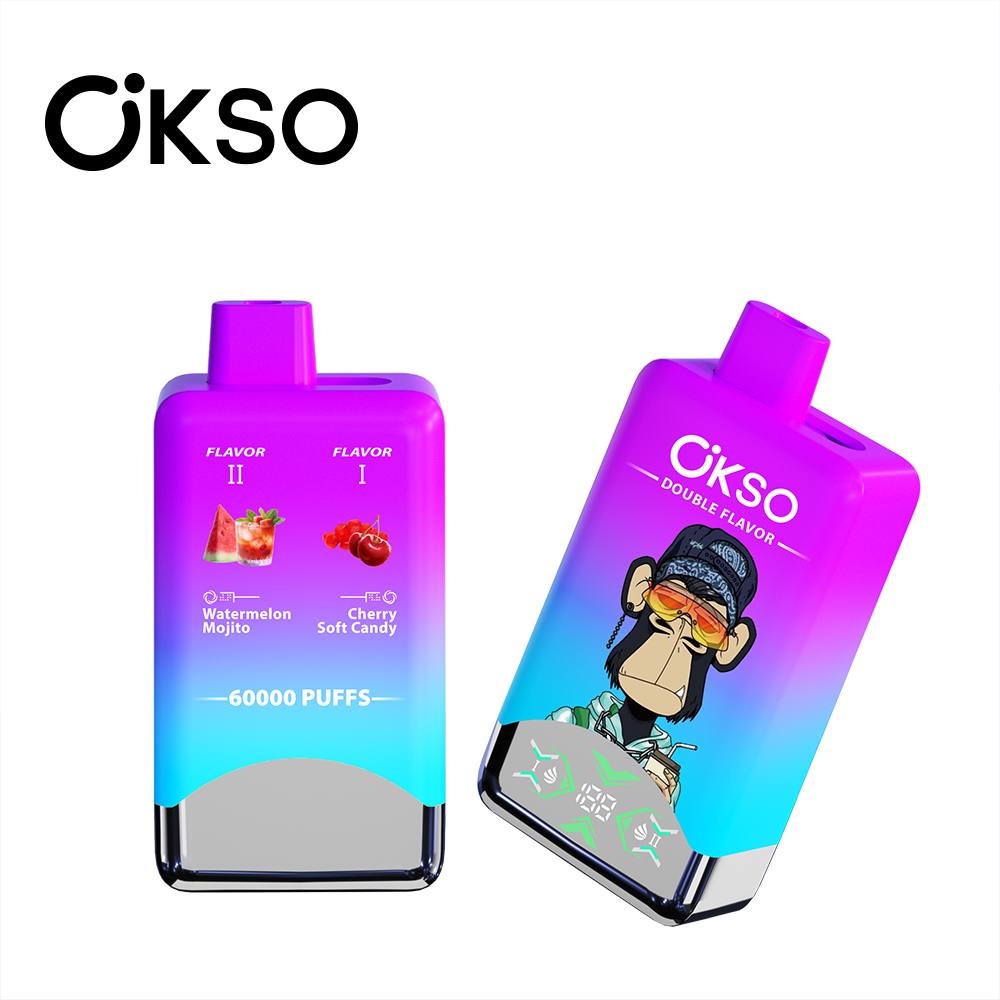
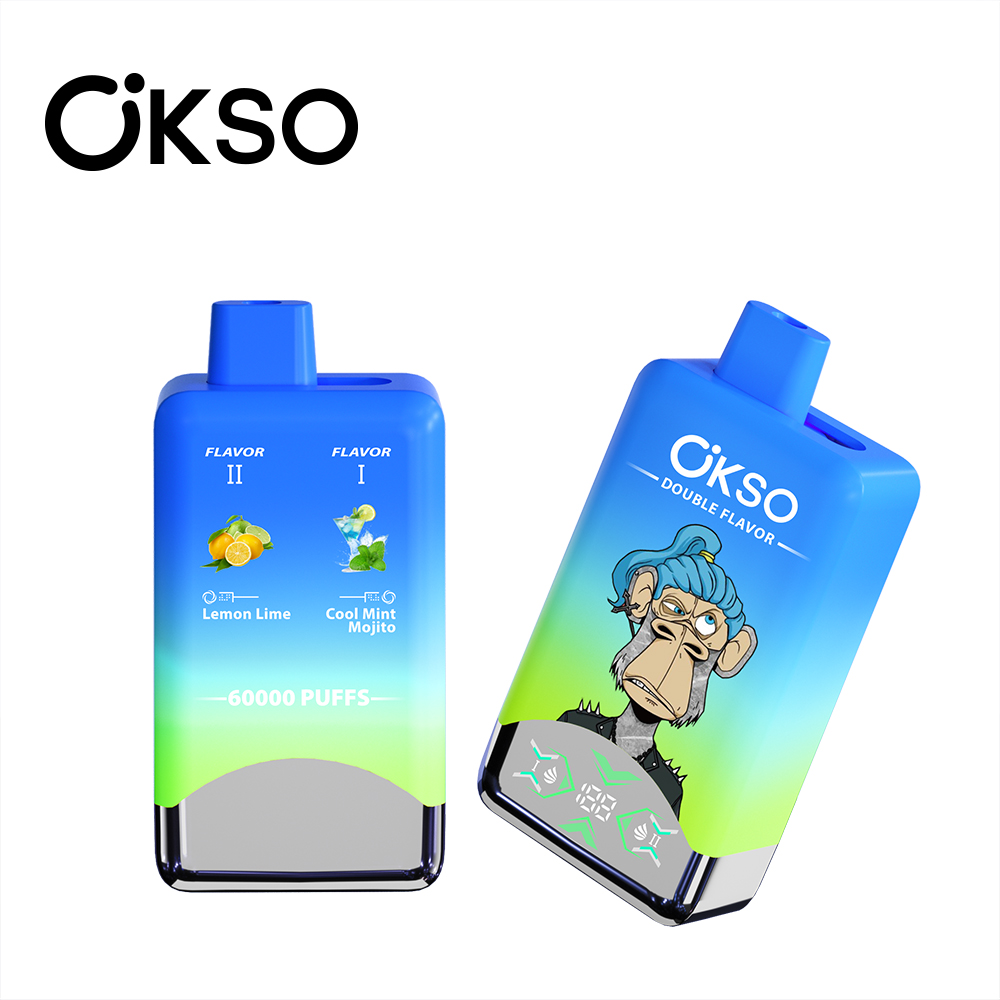
For adults comparing options before a trip, reputable rechargeable disposables such as the Fumot Tornado 20000 Puffs, the Geek Bar Pulse X 25K-A2 2-pack, the UZY Crystal Star 60000 Puffs, the FYCOS 60K Dual Flavors, and the VapSolo King Pro 40000 Puffs all use sealed, USB-C-recharged builds — pack them in carry-on regardless of puff rating.
7. Frequently asked questions
1. Can you put a disposable vape in checked luggage?
No. Under US 49 CFR 175.10 and EU/EASA rules, battery-powered vapes must be in carry-on or on your person. Putting them in checked bags risks confiscation and can carry fines, because of the lithium battery fire risk in the cargo hold.
2. How many disposable vapes can I bring on a plane for personal use?
There is no fixed legal number for personal use on US or EU flights, but they must all be in carry-on and protected from activation. Bring only what you would reasonably use on the trip; carrying dozens of units can raise customs questions about resale.
3. Can you fly with vapes to Europe?
Yes. EASA and IATA allow e-cigarettes in the cabin, with the same carry-on-only and no-on-board-charging rules as US flights. But passing security is not the same as passing destination customs — check the arrival country's law.
4. What happens if TSA finds a disposable vape in my checked bag?
It will typically be removed and confiscated. In some cases travelers face civil penalties, which can run into thousands of dollars. The device will not be returned.
5. Can I bring disposable vapes into Spain, France, or Belgium in 2026?
Belgium and France ban the sale of disposable vapes; Spain is phasing in restrictions. Personal use and personal carry rules vary, but you should not assume you can buy or sell disposables in these countries. Check the current national law before you travel.
6. Do disposable vapes count toward the 100 ml liquid limit?
No. The disposable device itself is not counted as a liquid. Any separate bottled or pod e-liquid you carry must be in containers of 100 ml or less inside a 1-liter clear bag.
7. Can you charge a disposable vape at the airport or on the plane?
On-board charging is prohibited by EASA and IATA. Charging at an airport gate or lounge varies by outlet and location — check before you use it, and never charge a device whose USB-C port shows dampness.
8. How many vapes can I bring through EU customs for personal use?
When entering the EU from outside, personal-use allowances apply but are country-specific. Spain, for example, allows up to 20 ml of personal e-liquid duty-free. Bringing goods for resale is not personal use and can be seized or taxed.
9. Are disposable vapes banned in the UK? Can tourists bring them?
The UK's Tobacco and Vapes Act bans the sale of single-use disposable vapes. Personal carry may be tolerated, but you should not bring disposables in to sell or distribute. Check the latest guidance before traveling.
10. Do cabin pressure changes cause disposable vapes to leak on flights?
Yes. Lower cabin pressure expands the air trapped inside a sealed device, which can push e-liquid past the seals. Keep devices upright in a protective pouch in carry-on, and inspect them after landing before charging.
8. Sources and references
- 49 CFR 175.10 — Transportation of hazardous materials; batteries. https://www.govinfo.gov/content/pkg/CFR-2024-title49-vol2/xml/CFR-2024-title49-vol2-sec175-10.xml
- TSA — What Can I Bring: e-cigarettes. https://www.tsa.gov/travel/security-screening/whatcanibring/all
- EASA — Dangerous goods; e-cigarettes in the cabin. https://easa.europa.eu/en/domains/air-operations/dangerous-goods
- IATA — Passengers travelling with lithium batteries (2026). https://www.iata.org/contentassets/6fea26dd84d24b26a7a1fd5788561d6e/passengers_travelling_with_lithium_batteries.pdf
- PHMSA — Battery watt-hour interpretation. https://www.phmsa.dot.gov/sites/phmsa.dot.gov/files/docs/standards-rulemaking/hazmat/interpretations/77941/230051.pdf
- EUR-Lex — CJEU Case C-477/14, Tobacco Products Directive Article 20. https://eur-lex.europa.eu/legal-content/EN/TXT/HTML/?uri=CELEX%3A62014CJ0477
- EU Your Europe — Alcohol, tobacco and cash: carrying goods within the EU. https://europa.eu/youreurope/citizens/travel/carry/alcohol-tobacco-cash/index_en.htm
- Spanish Tax Agency — Exemptions for e-cigarette liquids. https://sede.agenciatributaria.gob.es/Sede/eu_es/impuestos-especiales-medioambientales/impuestos-especiales-fabricacion/liquidos-cigarrillos-electronicos-otros-productos-tabaco/exenciones.html
- European Parliament — Written question answer on Belgium's disposable vape ban. https://www.europarl.europa.eu/RegData/questions/reponses_qe/2025/004021/P10_RE(2025)004021_EN.pdf
- European Commission — TPD Article 24(3) national notifications. https://health.ec.europa.eu/tobacco/product-regulation/implementing-tobacco-products-directive-directive-201440eu/notifications-under-article-243-tobacco-products-directive_en
9. Related products (SHOPOEM)
- Fumot Tornado 20000 Puffs — sealed, USB-C-recharged disposable with a large estimated puff capacity.
- Geek Bar Pulse X 25K-A2 2-pack — a two-pack of rechargeable disposables with adjustable airflow.
- FYCOS 60K Dual Flavors — dual-flavor sealed build with USB-C recharge.
- VapSolo King Pro 40000 Puffs — high-capacity sealed disposable with USB-C charging.
(Pack in carry-on, protect from activation, do not charge on board, and check your destination country's current vape law.)
10. Get help or shop
Shop now: Browse reputable rechargeable disposable vapes on VapeVeo
>
WhatsApp: Chat with VapeVeo on WhatsApp — replace with the active number at checkout.
>
Email: Email VapeVeo support
Nicotine warning: Nicotine is an addictive substance. These products are intended solely for adults of legal smoking age. Not for use by pregnant or breastfeeding people. This guide is not legal advice; check your airline and destination customs authority before traveling.