



Rechargeable vs Non-Rechargeable Disposable Vapes: Which Is Better? (2026) | VapeVeo

TL;DR
Rechargeable disposable vapes let you finish every drop of e-liquid via USB-C. Non-rechargeable devices die when the battery dies — often leaving 20–30% of e-liquid unused. For heavy daily vapers, rechargeable models cost less per puff and reduce waste. For light or occasional vapers, non-rechargeable units are simpler and cheaper upfront. All devices below are for adults 21+ only. None are FDA-approved.
Adults 21+ only. This guide compares rechargeable vs non-rechargeable disposable vapes for the US and EU markets in 2026. We cover battery specs, USB-C charging safety, cost-per-puff math, e-liquid recovery, and which type fits your usage style.
1. The Core Difference
A rechargeable disposable vape has a small built-in battery paired with a USB-C port. When the battery dies but e-liquid remains, you plug it in for 30–60 minutes and keep vaping until the juice runs dry. A non-rechargeable disposable is sealed — when the battery dies, the entire device is finished, even if e-liquid is still inside.
| Feature | Rechargeable Disposable | Non-Rechargeable Disposable |
|---|---|---|
| Battery | 500–650 mAh, USB-C rechargeable | 400–550 mAh, sealed |
| Typical puff count | 15,000–40,000+ | 600–5,000 |
| E-liquid capacity | 10–40 mL | 1.3–13 mL |
| E-liquid wasted when battery dies | ~0% (you recharge) | 20–30% typical |
| Cost per 1,000 puffs | $0.80–$1.20 | $1.20–$1.80 |
| Best for | Heavy daily vapers | Light / occasional vapers |
| EU TPD compliance | Most 20K+ models not TPD-compliant | 1.3–2 mL pods available |
| Convenience | Need a USB-C cable | Use and toss |
2. USB-C Charging Safety
The FDA and battery safety researchers recommend following basic precautions when charging any lithium-ion powered vaping device.
- Use a standard USB-C cable and a 5V/1A wall adapter — not fast-charge blocks rated above 5V/2A.
- Charge on a hard, non-flammable surface. Do not charge on beds, pillows, or under cushions.
- Never charge unattended overnight or while sleeping.
- Stop charging immediately if the device feels hot, swells, emits a strange smell, or leaks.
- Do not use damaged, frayed, or third-party cables.
- Unplug as soon as the battery indicator shows full.
For more detail, read our guide to reading disposable vape screen icons and our 8 troubleshooting fixes when your vape isn't hitting.
3. Cost-Per-Puff Math
The real savings from rechargeable devices come from recovering e-liquid that would otherwise be thrown away. Here's a concrete example:
| Scenario | Non-Rechargeable | Rechargeable |
|---|---|---|
| Device price | $14.99 | $19.99 |
| Stated puffs | 5,000 | 30,000 |
| Actual puffs delivered | ~3,500 (battery dies early) | ~28,000 (full e-liquid used) |
| Cost per 1,000 puffs | $4.28 | $0.71 |
| Devices per month (heavy use) | ~8 | ~1.5 |
| Monthly cost | ~$120 | ~$30 |
For light vapers who take fewer than 100 puffs per day, the math evens out — a non-rechargeable 5,000-puff device may last a full week before the battery dies naturally. The rechargeable premium is wasted on low-draw users.
4. When to Choose Which
Choose rechargeable if:
- You vape 200+ puffs per day (about 1–2 packs equivalent).
- You want the lowest cost per puff over a month.
- You prefer fewer device changes and less waste.
- You want high puff counts (15K–40K+) with adjustable airflow or display screens.
Choose non-rechargeable if:
- You vape occasionally (fewer than 100 puffs per day).
- You want the simplest, cheapest upfront option.
- You don't want to carry a charging cable.
- You prefer small, pocket-sized devices with no screen.
5. Recommended Rechargeable Devices
All devices below are available at VapeVeo for US customers (21+):
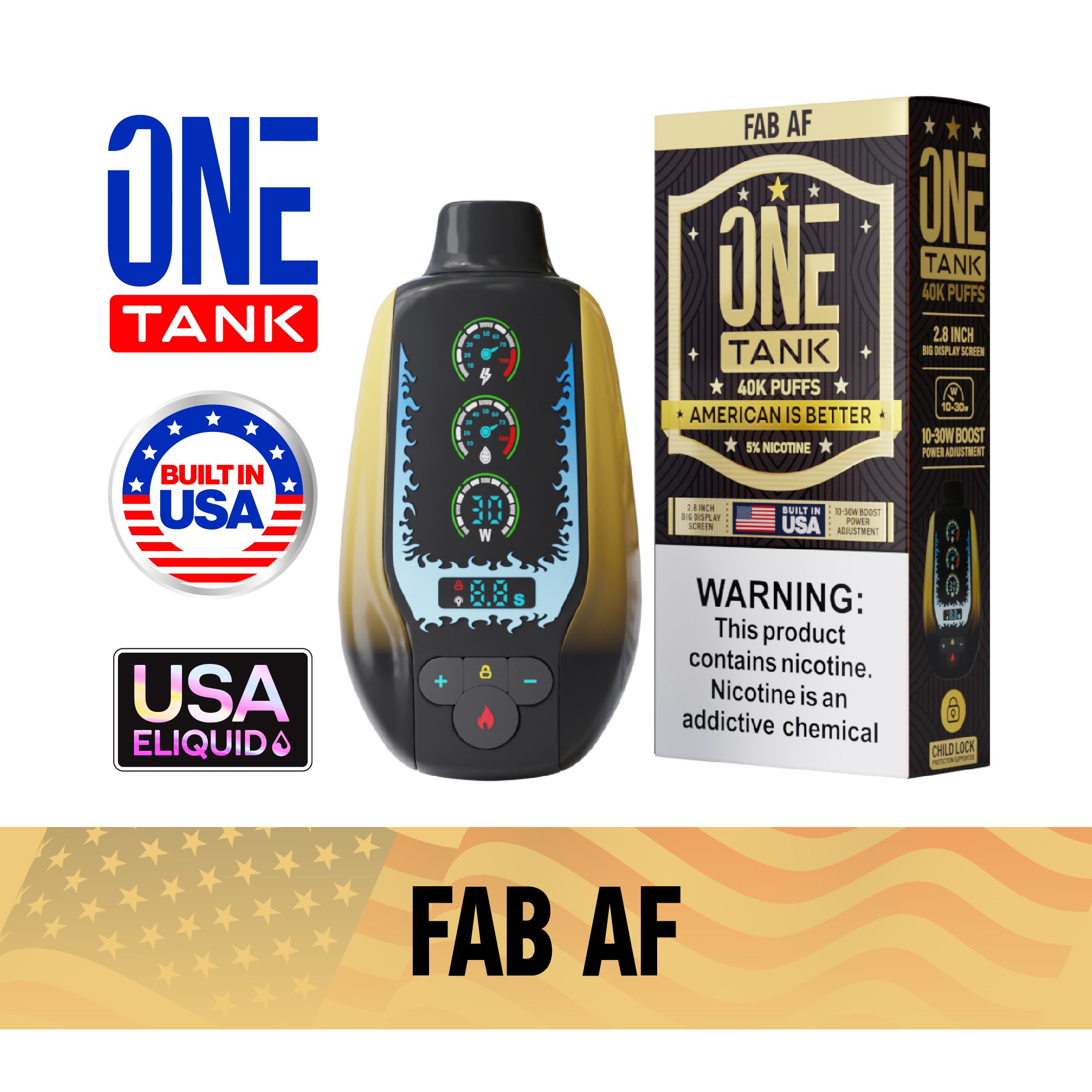
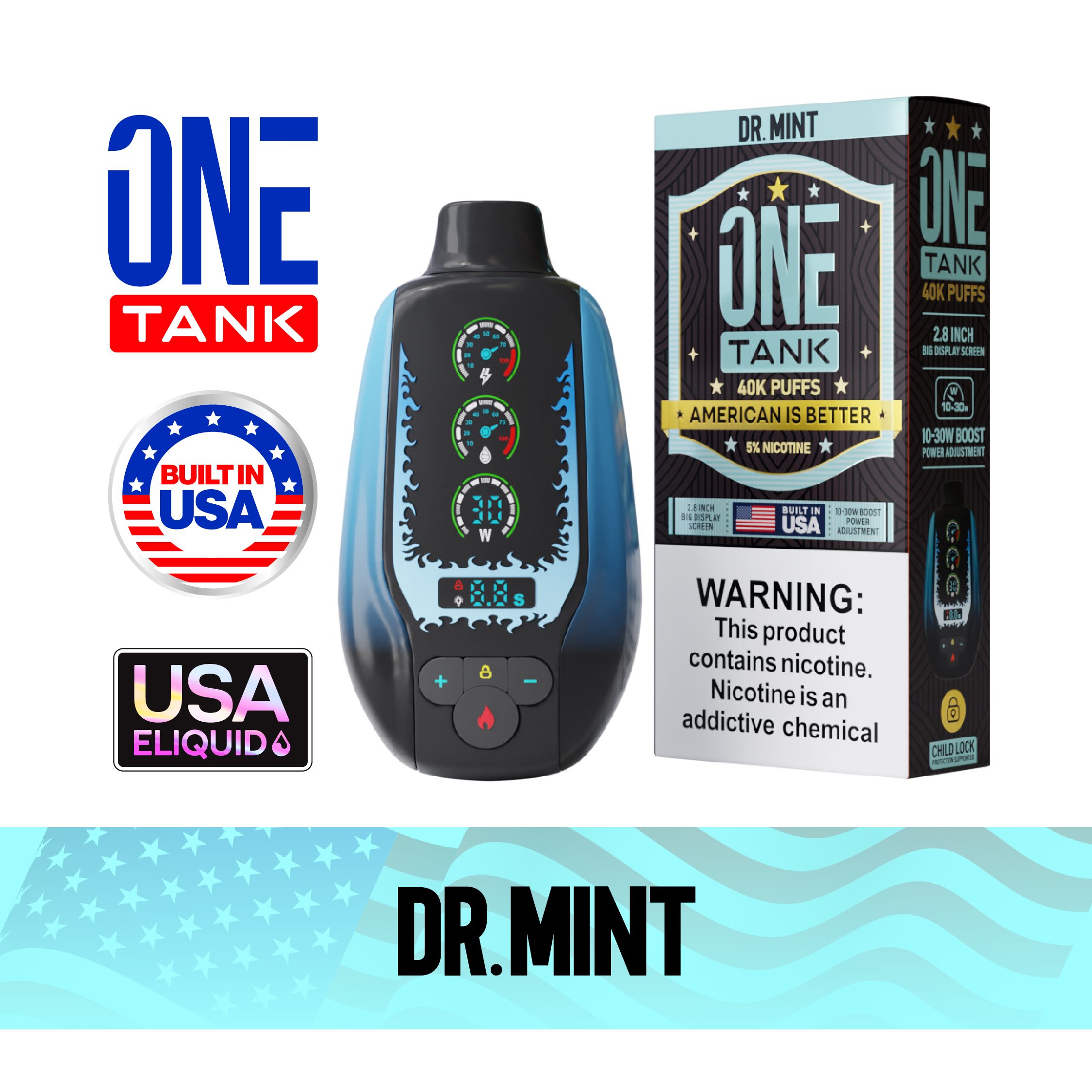
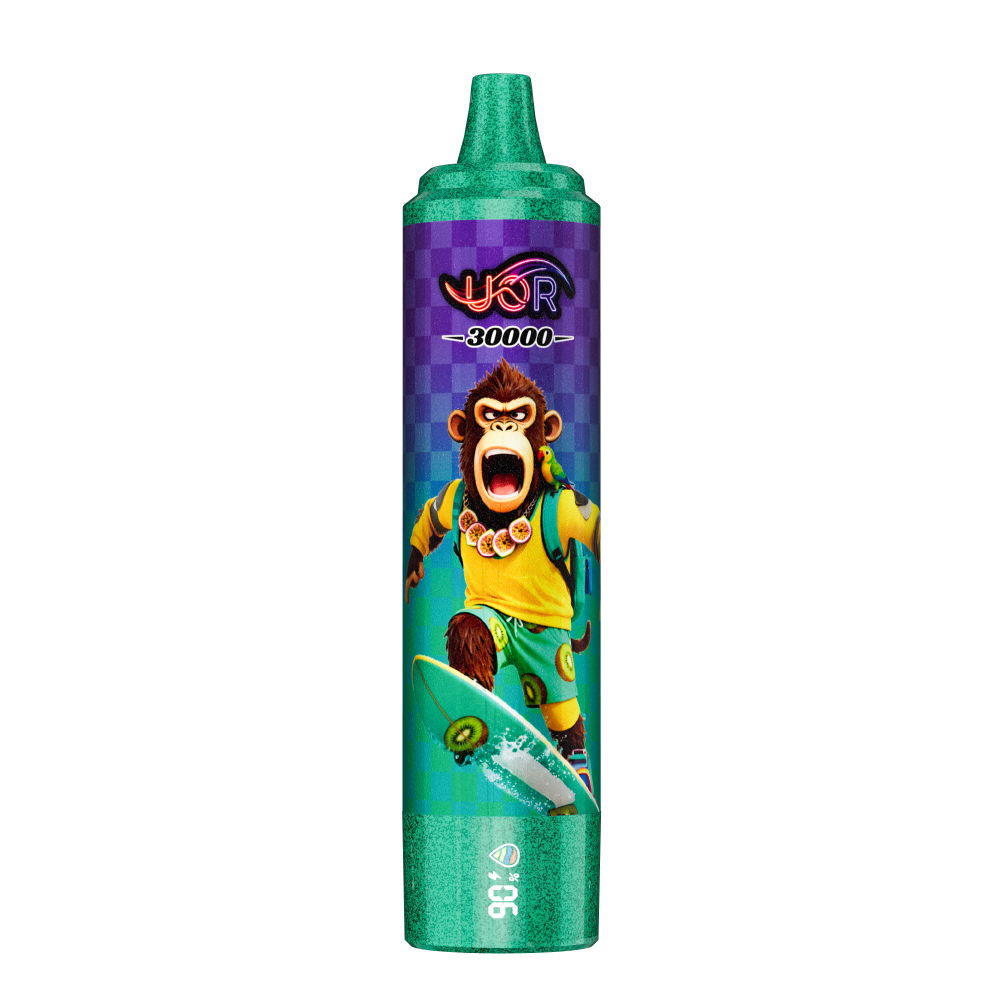
- ONE TANK 40K — 40,000 puffs, 40 mL e-liquid, USB-C, display screen showing battery and e-liquid levels.
- Fumot Leopard 40K — 40,000 puffs, mesh coil, adjustable airflow.
- OLIT Hookalit 40K — 40 mL, hookah-style flavors, USB-C rechargeable.
- AirMez Fox 8-in-1 (160K) — 8 flavors in one device, USB-C, quad-flavor switching.
- Bang Blaze 200K — 6-in-1 flavor switching, ultra-high puff count, USB-C.
- AirMez Tornado 25K — 25,000 puffs, compact form factor, USB-C.
6. Common Problems and Fixes
My rechargeable vape isn't charging
Try: (1) a different USB-C cable, (2) a different wall adapter, (3) clean the charging port with a dry toothpick, (4) check that the cable clicks firmly into the port. If it still doesn't charge, the battery may be defective. See our 8 troubleshooting fixes guide.
My vape tastes burnt after charging
Charging with a depleted coil can cause a dry hit. Wait 5–10 minutes after charging before taking long draws. If the burnt taste persists, the coil may be burned — see our burnt taste fix guide.
Why is my LED blinking after I plug it in?
See our LED color and blinking fixes guide for a full breakdown of what each blink pattern means.
7. Regulatory Note
In the United States, the FDA regulates disposable vapes under the Family Smoking Prevention and Tobacco Control Act. Most high-puff rechargeable devices sold online have not gone through the PMTA (Premarket Tobacco Product Application) process. In the European Union, the TPD (Tobacco Products Directive) limits e-liquid cartridges to 2 mL and nicotine strength to 20 mg/mL — meaning most 15,000+ puff rechargeable devices are not TPD-compliant and are intended for non-EU markets.
Always verify age requirements and local regulations before purchasing. For more, read our US FDA vs EU TPD packaging and labeling guide.
Frequently Asked Questions
Q: Can I make any disposable vape rechargeable?
A: No. Only devices built with a USB-C charging port and a rechargeable battery. Non-rechargeable disposables have sealed primary batteries that cannot be safely modified.
Q: How long does a full charge take?
A: Most rechargeable disposables take 30–60 minutes via USB-C. A full charge typically delivers enough power to finish all remaining e-liquid in the device.
Q: Is it safe to charge overnight?
A: No. Battery safety experts recommend charging supervised and unplugging once full. Overnight charging raises the risk of overheating.
Q: How many times can I recharge a disposable?
A: Until the e-liquid runs out. Most users recharge 2–4 times before the juice is fully consumed. The battery itself lasts through the life of the e-liquid.
Q: Are rechargeable vapes cheaper in the long run?
A: For heavy daily vapers, yes — often 60–75% less per puff. For light vapers who use fewer than 100 puffs per day, the difference is negligible.
Q: Can I take a rechargeable vape on a plane?
A: Yes, in carry-on luggage. Lithium-ion batteries must not go in checked bags. Do not vape on the plane. See our shipping and customs guide.
Q: Why does my rechargeable taste weaker after charging?
A: This is usually because the coil was dry during charging. Wait 5–10 minutes after plugging out before taking long draws. Prime with 2–3 short puffs first.
Q: What wattage should I charge at?
A: Use a standard 5V/1A adapter. Fast-charge blocks (9V, 12V) are not designed for small disposable batteries and may damage the device.
Q: Are these devices FDA-approved?
A: No. No disposable vape sold at VapeVeo is FDA-approved. These products are for existing adult smokers 21+.
Q: How do I dispose of a dead rechargeable vape?
A: Lithium-ion batteries should be recycled at an e-waste or battery recycling point. Do not throw rechargeable vapes in regular household trash. See our storage and disposal guide.
References
- U.S. Food and Drug Administration. Tobacco Products — PMTA and Vaping Regulations.
- Centers for Disease Control and Prevention. Tobacco Use Prevention — E-Cigarette Information.
- European Commission. Tobacco Products Directive (TPD).
- International Air Transport Association. Lithium Battery Travel Guidance.
Shop VapeVeo
Shop VapeVeo: https://vapeveo.com | WhatsApp: wa.me/8613117421125 | Email: vape@vapeveo.com
Author: VapeVeo Research Lab. Updated October 2026. For adults 21+ only. Not FDA-approved.